Myofunctional Therapy
Myofunctional therapy focuses on restoring and/or achieving healthy breathing, sleep quality, speech clarity, and efficient chewing and swallowing. Each session is tailored to each individual and an evaluation and subsequent treatments address the root causes and aim to significantly improve clients' overall health. Therapy can improve:
- Breathing: establishing a tongue up, lips closed, nasal breathing posture. It can help eliminate/reduce sleep apnea by strengthening the muscles that support the airway. Improved breathing can lead to better sleep and improved energy levels.
- Speech Clarity: By strengthening and retraining the oral muscles, myofunctional therapy can improve articulation and enunciation.
- Improved chewing and swallowing: improve the coordination and strength of the muscles involved in chewing and swallowing. It can address issues related to tongue posture and swallowing patterns, making these functions more efficient and comfortable.
- Reduced Snoring and Sleep Apnea: By strengthening the muscles that support the airway, myofunctional therapy can reduce the severity of snoring and help manage sleep apnea
- Supporting Orthodontic Treatment: Myofunctional therapy can improve the outcome and stability of orthodontic treatment by retraining the tongue and oral muscles to maintain proper tooth alignment. It can also help prevent orthodontic relapse, where teeth shift back to their original positions after treatment
- Addressing Other Issues: Myofunctional therapy can also be beneficial for individuals with TMJ disorders, tongue and/or lip ties, and those who have engaged in prolonged thumb sucking or pacifier use.
During the evaluation, I will gather case history and assess current level of function. I will assess your oral function skills through a variety of exercises along with observing you eat and drink.
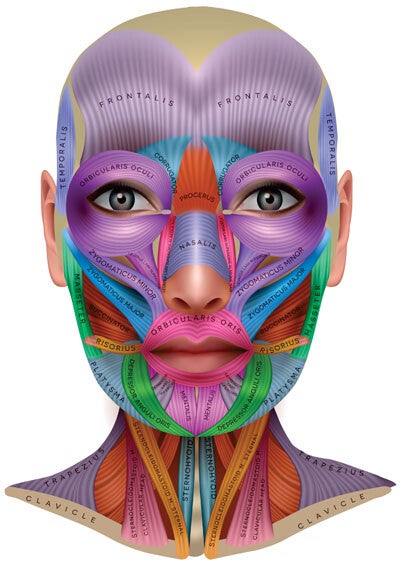
Orofacial Myofunctional Disorders (OMDs) can be characterized by abnormal resting tongue and lip posture, atypical chewing and swallowing patterns (tongue thrusting), dental malocclusions (under-bite, over-bite, over-jet, end-to-end...), blocked nasal airways, and speech issues. Other presentations are lisping, mouth-breathing, bruxism (teeth grinding), and other maladaptive patterns. OMDs are multifaceted and require comprehensive assessment. During a full evaluation, I focus on identifying the underlying causes of dysfunction and addressing individual needs.
The same muscles we use to talk are the same muscles we use to eat/drink, sleep, and breathe. These patterns can be complicated; they require stability, strength, and coordination. When there is a disruption or an imbalance, this can cause Orofacial Myofunctional Disorders (OMD's).
Common OMD's:
ADD/ADHD Bedwetting
Chapped lips Crooked teeth
Dark circles under eyes Daytime Drowsiness
Depression/Anxiety Difficulty nasal breathing
Difficulty swallowing Digestive Issues
Drooling Enlarged tonsils
Fatigue Frequent Ear Infections
Feeding difficulties Headaches
Heart-shaped tongue Long facial growth
Mouth always open Poor sleep
Poor speech Prolonged Oral habits (Thumb sucking, pacifier, etc.)
Recessed chin Relapse of Orthodontic Treatment
Snoring Teeth Clenching
Teeth grinding TMJ pain or jaw locking/popping